What I Treat
Depression

Depression is a disorder characterized primarily by a depressed mood, sadness or loss of interest in activities that can impair your functioning at an optimum level.
Possible causes include a combination of biological, psychological, and social sources of distress. Increasingly, research suggests these factors may cause changes in brain function, including altered activity of certain neural circuits in the brain.
The persistent feeling of sadness or loss of interest that characterizes major depression can lead to a range of behavioral and physical symptoms. These may include changes in sleep, appetite, energy level, concentration, daily behavior, or self-esteem. Depression can also be associated with thoughts of suicide.
The mainstay of treatment is usually medication, talk therapy, or a combination of the two. Increasingly, research suggests these treatments may normalize brain changes associated with depression.
Bipolar Disorder

Bipolar Disorder is a disorder associated with episodes of mood swings ranging from depressive lows to manic highs.
The exact cause of bipolar disorder isn’t known, but a combination of genetics, environment, and altered brain structure and chemistry may play a role.
Manic episodes may include symptoms such as high energy, reduced need for sleep, and loss of touch with reality. Depressive episodes may include symptoms such as low energy, low motivation, and loss of interest in daily activities. Mood episodes last days to months at a time and may also be associated with suicidal thoughts.
Treatment is usually lifelong and often involves a combination of medications and psychotherapy.
Anxiety Disorders

Anxiety disorders are mental health disorders characterized by feelings of worry, anxiety, or fear that are strong enough to interfere with one’s daily activities
Examples of anxiety disorders include panic attacks, obsessive-compulsive disorder, and post-traumatic stress disorder.
Symptoms include stress that’s out of proportion to the impact of the event, inability to set aside a worry, and restlessness.
Treatment includes counseling or medications, including antidepressants.
Obsessive Compulsive Disorder
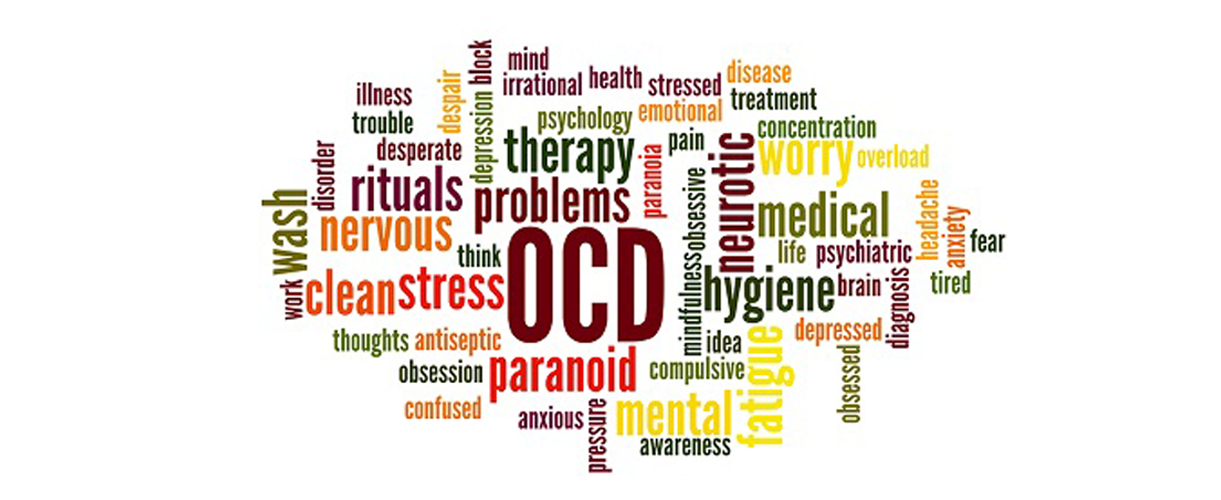
Obsessive Compulsive Disorder is a mental health disorder characterized by excessive thoughts (obsessions) that lead to repetitive behaviors (compulsions).
Obsessive-compulsive disorder is characterized by unreasonable /irrational thoughts and fears (obsessions) that lead to compulsive behaviors.
OCD often centers on themes such as a fear of germs or the need to arrange objects in a specific manner. Symptoms usually begin gradually and vary throughout life.
Treatment includes talk therapy, medications, or both.
Post Traumatic Stress Disorder (PTSD)
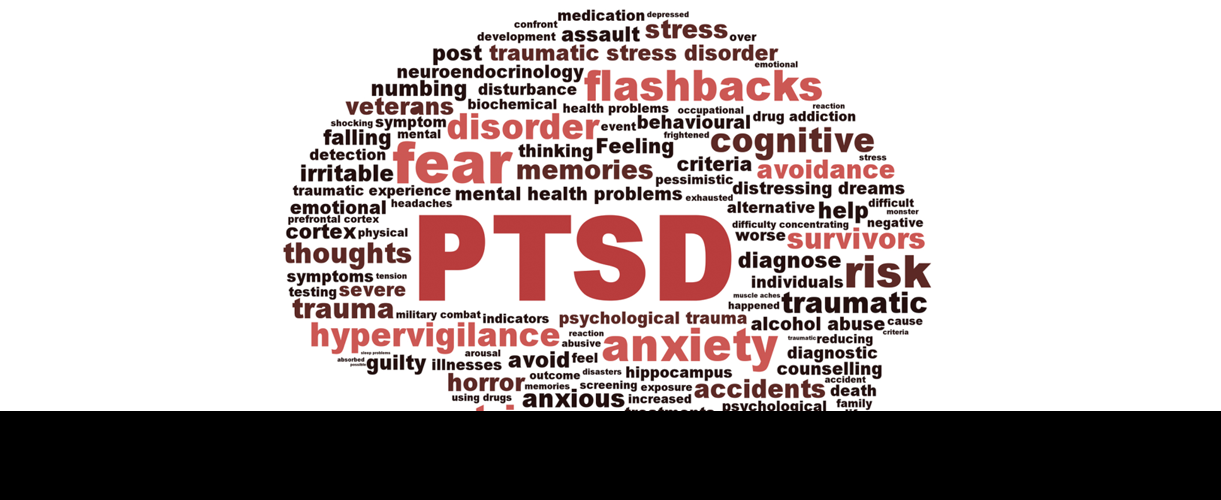
Post Traumatic Stress Disorder (PTSD) is a disorder in which a person has difficulty recovering after experiencing or witnessing a terrifying event.
The condition may last months or years, with triggers that can bring back memories of the trauma accompanied by intense emotional and physical reactions.
Symptoms may include nightmares or unwanted memories of the trauma, avoidance of situations that bring back memories of the trauma, heightened reactions, anxiety, or depressed mood.
Treatment includes different types of trauma-focused psychotherapy as well as medications to manage symptoms.
Schizophrenia and other Psychotic Disorders
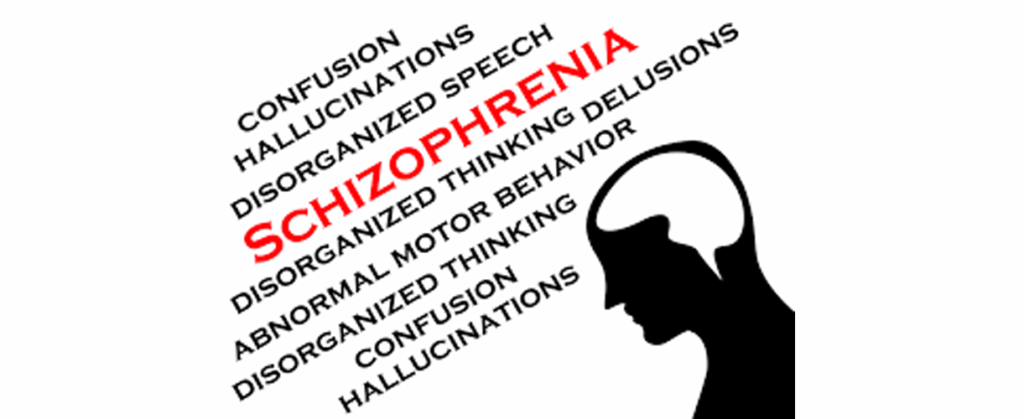
Psychotic Disorders are mental disorders characterized by a disconnection from reality.
Psychosis may occur as a result of a psychiatric illness like schizophrenia. In other instances, it may be caused by a health condition, medications, or drug use. Possible symptoms include delusions, hallucinations, talking incoherently, and agitation.
The person with the condition usually isn’t aware of his or her behavior.
Treatment may include medication and talk therapy.
Reproductive psychiatry

Reproductive psychiatry focuses on the mental health needs of women at every stage of childbearing, from preconception through pregnancy, postpartum, and early parenting.
Hormonal changes that take place during the reproductive years can trigger emotional and physical symptoms in some women. For most women, these symptoms are mild. But for some women, these symptoms can be disabling and may cause significant disruption in their lives.
We provide evaluation and treatment for disorders associated with female reproductive function, including premenstrual dysphoric disorder (PMDD), pregnancy-associated mood disturbance, postpartum depression, and peri- and post-menopausal depression.
Sleep Disorders

Sleep disorders (or sleep-wake disorders) involve problems with the quality, timing, and amount of sleep, which result in daytime distress and impairment in functioning. Sleep-wake disorders often occur along with medical conditions or other mental health conditions, such as depression, anxiety, or cognitive disorders.
There are several different types of sleep-wake disorders, of which insomnia is the most common. Sleep difficulties are linked to both physical and emotional problems.
Treatment depends on the type of sleep disorder and is typically involves multiple modalities such as sleep hygiene, relaxation techniques, therapy and/or medications.
SPECIAL SERVICES
Forensic Services
Dr. Leena Rajagopal is a board certified Forensic Psychiatrist. Dr. Rajagopal completed her Forensic Psychiatry fellowship at Albert Einstein College of Medicine, New York. She has testified as an expert witness in the field of psychiatry and forensic psychiatry in many court jurisdictions in the State of New York and New Jersey.
Dr. Rajagopal is available for civil and criminal cases
“Attorneys please contact us for details